decision guide
When a Parent Should Stop Driving, and How That Talk Goes
Age by itself is a poor test. What actually predicts a crash, how a driving rehabilitation specialist settles the argument with data, and what happens when a family reports a driver to the state.
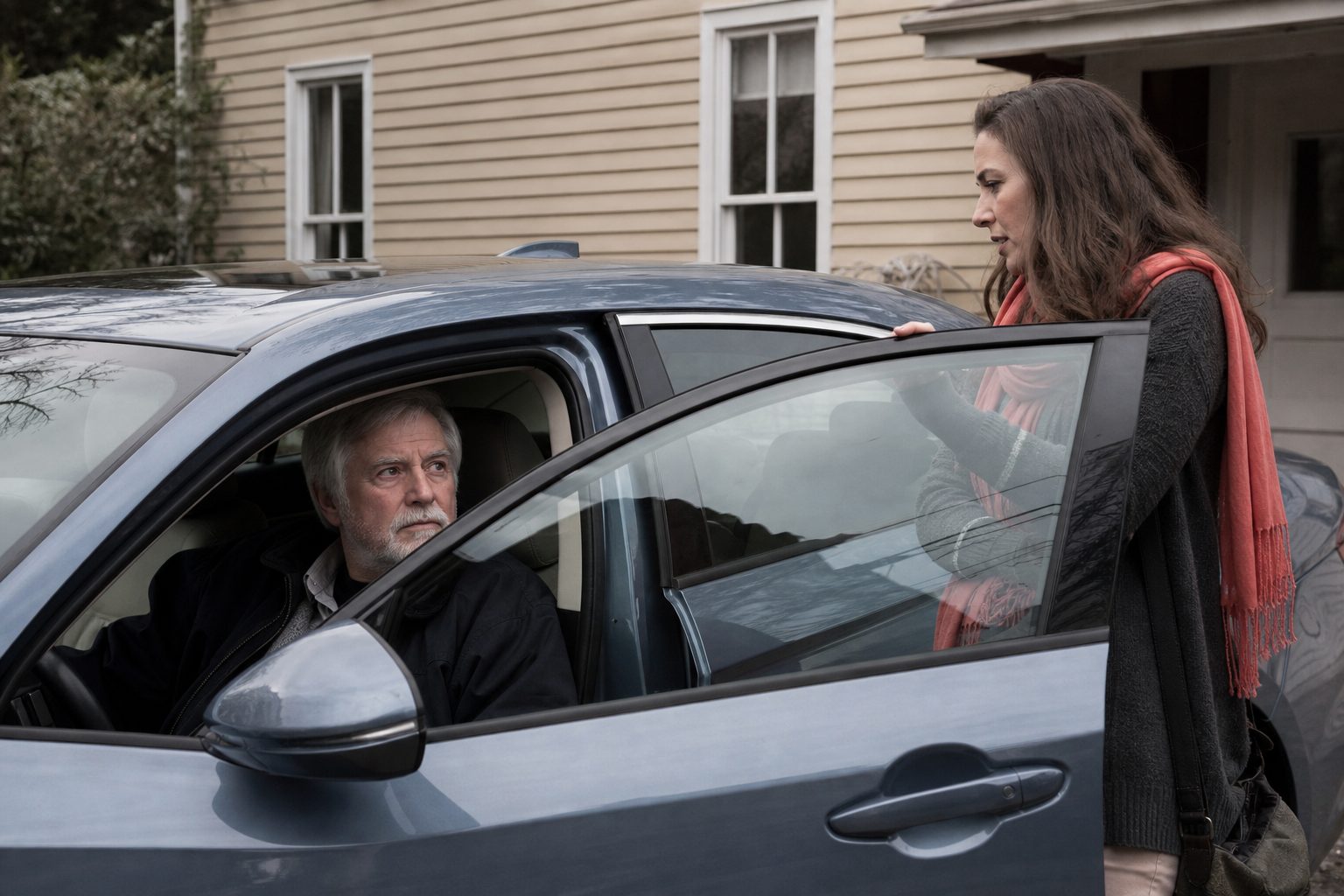
Why families wait, and what the waiting costs
Almost nobody raises this on a calm Sunday. It surfaces after something: a scraped bumper, a left turn that made the car go quiet. Then it gets dropped, because whoever raises it knows how it will land.
Crash frequency is not the reason to act early. Fragility is: an aging chest wall, thinner bone and a hip that tolerates less force turn a survivable impact into a hospitalization. Waiting does not lower the odds of an event; it decides who is in the car when one happens.
Waiting also hands the timing to someone else. After a crash, a police report puts the licensing agency's medical review unit on a schedule the family does not set, and the revocation arrives before a single replacement ride exists. A restricted license, daylight only or a radius from home, is easier to negotiate before a collision sits in the file. Deciding who raises it, and what everyone will say when they push back, is work for the meeting where the family decides who actually raises it.
What actually predicts risk: vision, medication, reaction time, judgment
Age is a proxy, and a weak one. Licensing agencies lean on birth dates because they are cheap to check, not because a number predicts one driver. Function predicts, and four domains carry the weight.
Vision is more than the eye chart: contrast sensitivity, glare recovery after oncoming headlights and the usable width of the visual field fade before acuity does. Cognition matters through divided attention and the executive function that holds a plan while an intersection changes. Reaction time is mostly motor, neck rotation for a shoulder check and foot speed to the brake.
Medication is the domain families overlook and the one most easily fixed. Benzodiazepines, opioids, sedating antihistamines, muscle relaxants, sleep aids, anticholinergic bladder drugs and some antidepressants slow reaction time or blunt judgment. The danger peaks in the weeks after a new start or a dose increase, so ask the prescriber which of them warns about operating a vehicle.
The warning signs a passenger can observe in one ride
Ride in the passenger seat on a route your parent chooses, at the hour they normally drive, and keep quiet. Watch for specifics, not a feeling: drifting inside the lane, braking late, sitting at a green light, rolling a stop sign, changing lanes without turning the head. Note whether other drivers have to adjust around them.
Then get out and read the car. Curb rash on the wheels, a mirror housing scraped to plastic, garage door paint on a quarter panel, an insurance claim nobody mentioned. Some of that only shows up in person, which is why the visit checklist that surfaces new dents and unexplained mileage is built around walking the driveway.
One ride is a sample, not a verdict. Ride twice, once after dark, since a parent often drives better while you are watching. Write down what you saw with the date and intersection, because physicians and licensing agencies act on dated specifics and close files on vague concern.
The self assessment and the clinic screen a primary care doctor can order
Start with something your parent does alone: a self rating turns an accusation into a question. National auto clubs and AARP publish self rating worksheets and refresher courses, and many states require insurers to discount a premium for an approved mature driver course. Ask the agent whether your state's discount applies and how long it lasts. None of it measures safety, but it opens the subject without a fight.
The clinical version is a short office battery of the kind in the clinician's guide on older drivers from NHTSA and the American Geriatrics Society. It commonly includes distance acuity, visual fields by confrontation, neck and shoulder range of motion, a timed rapid pace walk, a clock drawing task and a trail making task. Ask the office which version it runs. Poor performance predicts trouble, but good performance clears no one, because none of it involves a road.
A Medicare annual wellness visit already includes an assessment for cognitive impairment, which makes it the natural place to raise driving. Send your dated notes ahead, so the physician is not judging from one good hour in an exam room. Ask that the results go into the chart, because that is the record a physician works from if the agency requests an opinion.
A driving rehabilitation specialist and the evaluation that ends the argument
When the family disagrees and the screen is ambiguous, the referral is a driver rehabilitation program. These specialists are usually occupational therapists, and many hold the Certified Driver Rehabilitation Specialist credential from the Association for Driver Rehabilitation Specialists. Programs sit inside rehabilitation hospitals, health systems and many VA medical centers, so expect a wait and ask for the current one when you call.
The evaluation has two halves: the clinical portion extends the office screen with standardized vision, cognitive and physical testing. The road portion puts your parent in a dual control car with an instructor on real streets, running the maneuvers that fail first: merging, unprotected left turns, lane changes, an unfamiliar address. It ends in one of four recommendations: keep driving, drive with restrictions or adaptive equipment, retrain and test again, or stop.
Medicare Part B may cover the clinical occupational therapy portion when a physician orders it, while the road evaluation and any vehicle modification are usually out of pocket. Ask whether the two are billed separately, and whether the program reports its findings to the licensing agency. Some do.
Restricted licenses and the middle ground before a hard stop
A licensing agency can add conditions to a license instead of taking it. Common restrictions are corrective lenses, outside mirrors, daylight only, no limited access highways, and a mileage radius from home. Some are added at renewal after a vision test, others after a medical review triggered by a report.
A family can write the same restrictions privately, and that version is worth trying first. Put it on one page and have everyone sign it: no night driving, no highways, no left turns across a fast road, no driving within hours of a sedating dose. Add the equipment a specialist recommends: a backup camera, blind spot alert, wider mirrors, pedal extenders.
Check your state before assuming a renewal is routine, since renewal cycles shorten with age in a majority of them. A middle ground needs an expiration date, or it becomes permanent by default. Write down what triggers the next look: any crash, any citation, getting lost, a new diagnosis, a new sedating prescription.
See how CareCircleLog keeps a parent's medications, appointments and aide shifts in one shared log
Reporting a driver to the state, anonymously or otherwise
Every state has a route for reporting an unsafe driver to the licensing agency, usually a medical review unit or driver safety office. The form goes by different names: a request for reexamination, a driver condition report, an unsafe driver referral. Any family member, physician or police officer can file one.
What you write decides whether anything happens. Include the legal name, date of birth and license number, then list dated incidents: the parking lot collision, the missed stop sign, the fifteen minute drive that took two hours. A physician's letter carries the most weight, and a minority of states require a physician to report certain diagnoses. Many others permit a voluntary report and extend some immunity to a physician who files one in good faith, but the scope is set by state statute, so ask the licensing agency or the physician's counsel what your state's covers.
Do not promise a sibling anonymity you cannot deliver. Some states protect the reporter's identity by statute, others release the file to the driver on request, so ask the agency in writing first. Expect weeks to months, ending in a vision test, a road test, a medical form due by a deadline, or a hearing.
Dementia moves the whole timeline forward
A dementia diagnosis is not an automatic revocation in most states, and mild cognitive impairment is not dementia. But progressive dementia ends driving, and only the month is open. Settling that early also matters financially, since an insurer can deny a claim when the driver was not licensed at the time, and in many states an adult who knowingly hands the keys to an unlicensed or unfit driver can be sued directly. Read the policy's definition of a covered driver rather than assuming.
The complication is insight: the judgment required to evaluate your own driving is damaged early, so self assessment fails exactly when families lean on it. A parent who says they only drive to church may not remember the trip that ended in the wrong town. Set a cadence at diagnosis: an evaluation now, another in six months, one after any hospitalization or new medication.
When the answer is finally no, the mechanism does more work than the conversation. Keys kept elsewhere, the car parked at a sibling's house, a mechanic who quietly disconnects a battery cable. If the practice takes part in Medicare's dementia model, the dementia care navigator who can carry this conversation for you can deliver the ruling instead.
Build the mobility plan before you ever ask for the keys
Nobody gives up a car. They give up groceries, church, the barber and the ability to leave without asking, so build the replacement first. Spend a week logging every trip your parent takes, then put a named method beside each line. Call the county Area Agency on Aging for a transportation assessment, the volunteer driver program's advance notice window, its monthly trip cap, and whether a driver walks a passenger to the door.
Next week, ride the usual route twice, once after dark, and write down dates and intersections. Call the primary care office, put driving on the annual wellness visit, and send the notes ahead. If the answer is ambiguous, ask that day for a driver rehabilitation referral.
Then start the ADA complementary paratransit application, which federal rules require at minimum within three quarters of a mile of a fixed bus or rail route, though many transit agencies serve a wider area. Most agencies decide eligibility from an in person functional assessment or a physician form, so ask yours which it uses and file before the keys are the subject. Set a year of car costs beside a year of rides, and put a review date on the family calendar.

Long Distance Caregiving: Running a Parent's Week From Another State
You cannot drive over at seven in the evening, so every part of the week has to be built in advance. How to assemble a local bench, turn each visit into an inspection, and read the small signals that say something is slipping.

What Medicare's GUIDE Model Means for Dementia Caregivers
Medicare now pays participating practices for dementia care navigators, a round the clock support line and a capped respite benefit. What the GUIDE Model covers, what it leaves out, and how to find a program near you.

The First Family Care Meeting: How to Divide a Parent's Care
Care is almost never assigned. It lands on whoever picked up the phone the day the hospital called. Here is how one ninety minute meeting turns a vague family promise into named duties, named backups and a written record every sibling can see.