case study
Getting Paid to Care: Inside Structured Family Caregiving
Several state Medicaid programs pay a live in family caregiver a daily stipend. This follows one composite case built entirely from program rules, from the level of care screen to the notes the state expects every day.

The situation: a daughter, a spare bedroom and a lost paycheck
Angela had worked in retail for years, clocking in early and leaving late. When her mother's memory became unreliable, first a burned pan, then a lost purse, Angela faced a choice. Her mother could not live alone. Angela's job was flexible, but only so far. The family had a spare bedroom and enough savings for a few months. Angela moved in with her mother, gave notice at work, and braced herself for the transition from daughter to daily caregiver.
Money was tight almost from the start. The cost of groceries, prescriptions, and supplies added up. Angela's siblings pitched in where they could, but no one else could move in full time. One evening, a neighbor mentioned that some states pay family caregivers through Medicaid. Angela had not heard of Structured Family Caregiving, but with her mother's savings dwindling, she started looking for answers. Could she really get paid to care for her mom at home?
Keep reading: What Medicare's GUIDE Model Means for Dementia Caregivers
Where Structured Family Caregiving sits inside a Medicaid HCBS waiver
Structured Family Caregiving is part of a web of Medicaid options known as Home and Community Based Services (HCBS) waivers. These programs let states use Medicaid dollars to support people in their homes, instead of nursing homes. The goal: keep people with daily care needs in familiar surroundings, if family help is available.
Most states do not allow direct payment to a spouse, but adult children, siblings, or even close friends may qualify. Structured Family Caregiving is one specific branch. The caregiver moves in with the participant, provides daily help, and documents what they do. The state contracts with agencies that train caregivers, check in monthly, and handle paperwork. The state pays the agency, which passes a daily stipend to the family caregiver. Not every state offers this exact program, but several have near matches under different names.
Angela learned that her state's Medicaid waiver allowed for Structured Family Caregiving. The application, she discovered, would be more than just a form. Two major hurdles stood between her and payment.
The two eligibility tests: nursing home level of care and the financial screen
Screening for nursing home level of care
The first eligibility test is functional. Medicaid pays for care at home only if the person would otherwise need a nursing home. This is called "nursing home level of care." Angela's mother had to undergo a formal assessment, usually by a nurse or social worker contracted by the state. The screener asked about dressing, bathing, toileting, transfers, mobility, meal preparation, and supervision needs. The assessor scored each area to determine if Angela's mother could safely remain at home with help.
Many states use checklists. For example, needing help with at least two activities of daily living often qualifies. Memory issues and wandering risk may also count. Angela's mother scored high enough: she needed prompting for medication, reminders for meals, and direct supervision for bathing and cooking.
Income and asset limits
With the care screen passed, the next hurdle was financial. Medicaid is a program for people with limited means. The state reviewed Angela's mother's income, Social Security, a small pension, and her assets. Home ownership was not a barrier, but bank balances, life insurance cash value, and other savings mattered. Angela helped her mother gather bank statements and filled out forms with the local Medicaid office. In most states, the income limit for HCBS waivers is set at a fixed monthly amount, and the asset cap is typically a few thousand dollars, not counting the primary residence and a vehicle.
Angela's mother met the criteria. It took about six weeks to get approval, with phone calls to the agency and several rounds of document submission.
Keep reading: A Room by Room Fall Prevention Walkthrough of a Parent's Home
What the care coaching agency does each month and why it exists
Angela assumed that once approved, she would be left alone to care for her mother and submit hours. In practice, the program inserted an agency between the family and the state. This agency's main job is oversight, compliance, and support. It keeps the state's Medicaid program in line with federal rules, prevents fraud, and offers caregivers a structured process.
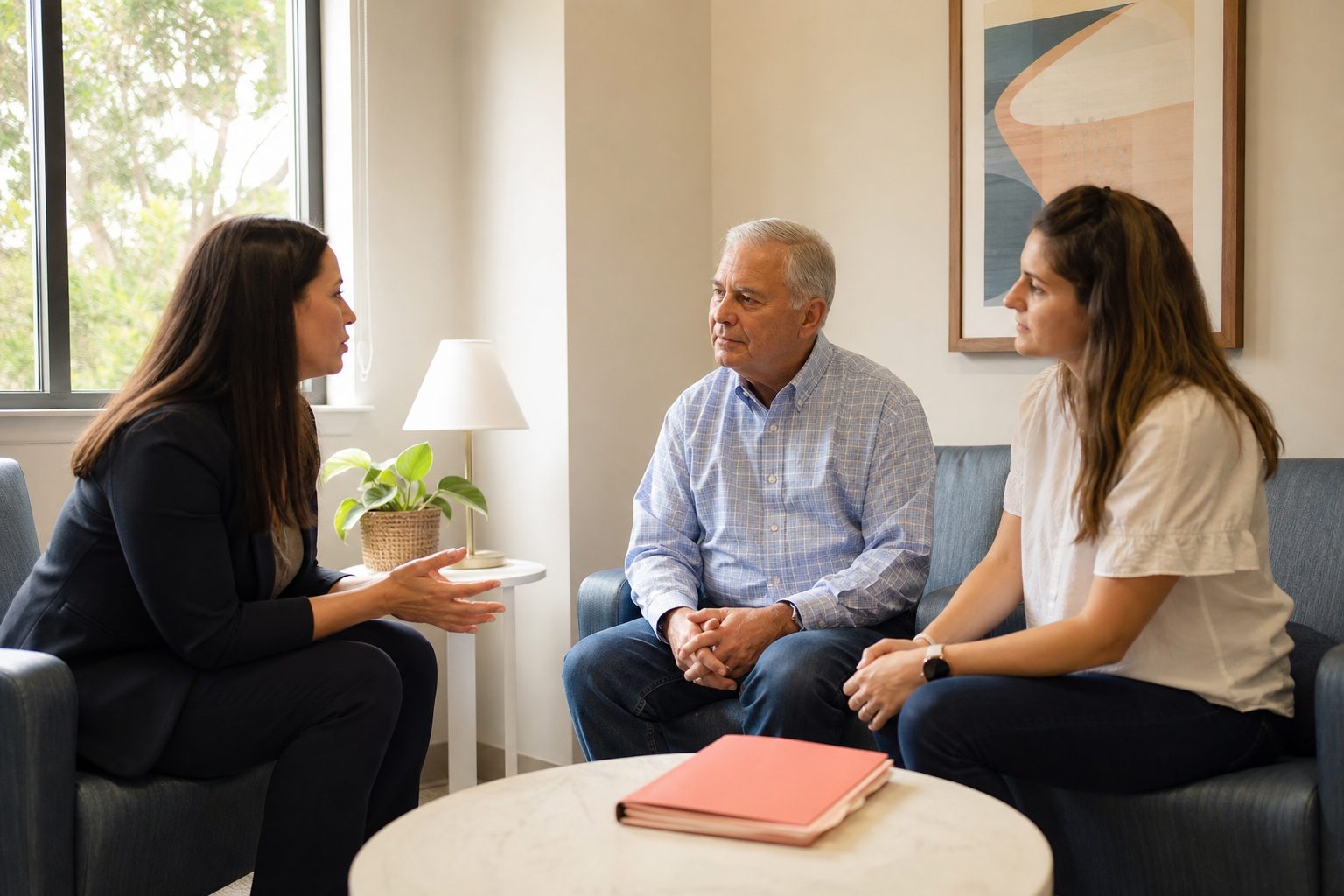
From the start, the agency sent a care coach to the house. The coach reviewed Angela's daily schedule: medication reminders, meal prep, help with dressing, and social activities. Together, they created a care plan that spelled out exactly what Angela would do every day. The coach checked for hazards in the home and discussed backup plans in case Angela got sick or needed time off.
Each month, the care coach called or visited to review the care plan. They checked that Angela was following the daily routine and offered suggestions: how to cue her mother for medications, ways to prevent falls, and community resources for adult day programs. The agency also tracked Angela's progress toward annual training requirements, such as infection control and elder abuse prevention.
The agency's oversight protected both Angela and her mother. If Angela reported new issues, like a fall or a medication change, the care coach updated the plan and made recommendations. The agency filed reports with the state, which could audit Angela's logs at any time.
The daily log, the hours and the documentation the state audits
What goes in the daily log?
Angela learned quickly that documentation was as important as the care itself. Every day, she had to log the support she provided: times, tasks, and any changes in her mother's condition. Most agencies require notes to show that the caregiver is present, engaged, and providing the care listed in the plan.
Typical log entries covered medication reminders, meals, hygiene, mobility help, and supervision. The agency provided forms, but some allowed electronic logs or dedicated apps. Angela recorded each visit from siblings, every trip to the pharmacy, and any issues, like an extra bathroom assist at night or a skipped meal. If Angela missed a day, she had to explain why and who covered care in her absence.
Hours and expectations
The state does not require a set number of hours logged daily, but the care plan must reflect that the participant cannot be left alone safely. Angela was expected to be present overnight and available for at least several hours each day. If her mother went to adult day care, Angela noted the handoff, pickup times, and any communication with staff. The agency cross-checked logs with the care plan and contacted Angela if anything was unclear.
What the state audits
State auditors review logs during annual reviews or when concerns arise. They look for gaps, inconsistencies, and missing signatures. If Angela's logs did not match the care plan or if entries were vague, like "helped with meds" with no detail, payments could be delayed or suspended. Angela got in the habit of writing clear, specific notes each evening, even when she was exhausted. The agency's care coach reviewed sample entries each month to catch issues early.
See how CareCircleLog handles this for senior and family caregiving
What the stipend is and is not: taxes, hours, benefits, no overtime
The stipend structure
The payment Angela received was a daily stipend, not an hourly wage. The amount was fixed by the state, based on the level of care and location. The agency paid Angela weekly or biweekly, by direct deposit. The stipend was intended to offset lost income, not to fully replace a full-time job. In some states, the payment is adjusted annually, but it does not include raises for overtime or holidays.
Taxes and reporting
The stipend is considered taxable income. The agency issued Angela a 1099 form each January. Angela had to set aside money for federal and state taxes, since nothing was withheld from her payments. She consulted an accountant to understand what she owed. Social Security and Medicare taxes were not withheld, which could affect future retirement benefits. Angela was not eligible for unemployment insurance, workers compensation, or health benefits through the agency.
Angela kept careful records of her payments and taxes. She learned that missing a day or failing to document care could result in missed payments. The stipend was a help, but Angela still needed to budget carefully and keep her own health insurance through the marketplace.
How other states handle it: consumer direction, CDPAP and agency with choice
Not every state offers Structured Family Caregiving by that name. Some use "consumer direction" or "self-directed care" models. Under these, the participant (or a representative) acts as the employer, hiring family or friends as paid caregivers. The most flexible is New York's Consumer Directed Personal Assistance Program (CDPAP), which lets the participant hire, train, and even fire the caregiver. In these programs, the caregiver may be paid hourly, and spouses can sometimes qualify.
Other states use "agency with choice" models. Here, an agency manages payroll, training, and oversight, but the family selects the caregiver. Agency with choice is less flexible than pure consumer direction but often comes with more support and training. In all models, documentation is crucial. The state wants to see that care is being provided and that Medicaid funds are not misused. Requirements for logs, care plans, and oversight vary, but the basics, clear records and regular check-ins, are universal.
The three things she would do differently at the application stage
Start the paperwork early and expect delays
Angela would have started the Medicaid application sooner. Gathering bank records, benefit letters, and proof of residency took longer than she expected. Processing times at the Medicaid office varied by county and season. Angela now tells friends to start months before they expect to need help.
Get everyone on the same page about duties and respite
Angela assumed her siblings understood what she would need. She wishes she had called a family meeting to divide tasks, grocery runs, weekend visits, and respite care, before she moved in. When family members rotate duties or share notes, the risk of burnout drops. Angela learned the hard way that clear communication and shared logs prevent misunderstandings and resentment.
Set up a system for daily notes and documentation from day one
Angela did not realize how much paperwork the state expected. She wishes she had used a shared log from the start, with space for medication lists, appointments, visit notes, and rotating duties. Keeping everything in one place makes audits less stressful and helps the whole family stay organized. A tool that allows everyone to contribute and keeps the care log up to date can make a difficult process much smoother for families managing care together.
What Medicare's GUIDE Model Means for Dementia Caregivers
Medicare now pays participating practices for dementia care navigators, a round the clock support line and a capped respite benefit. What the GUIDE Model covers, what it leaves out, and how to find a program near you.

A Room by Room Fall Prevention Walkthrough of a Parent's Home
Falls put more older adults in the hospital than anything else that happens at home. Walk the house in this order, fix the cheap things first, and learn which changes Medicare will flatly refuse to pay for.

What an In Home Aide Really Costs: Rates, Minimums, Overtime
The quoted hourly rate is only part of the bill. How an agency builds its price, why four hour minimums exist, what live in care actually means, and what changes the day you hire a caregiver directly.